Are you one of the millions of people who suffer from teeth grinding or clenching? If so, you know how painful and damaging it can be to your teeth and overall oral health. Fortunately, there is a solution – a teeth grinding mouth guard. These simple yet effective devices can help protect your teeth from damage and provide relief from the pain and discomfort caused by grinding and clenching. In this article, we’ll explore everything you need to know about teeth grinding mouth guards and how they can benefit your dental health.
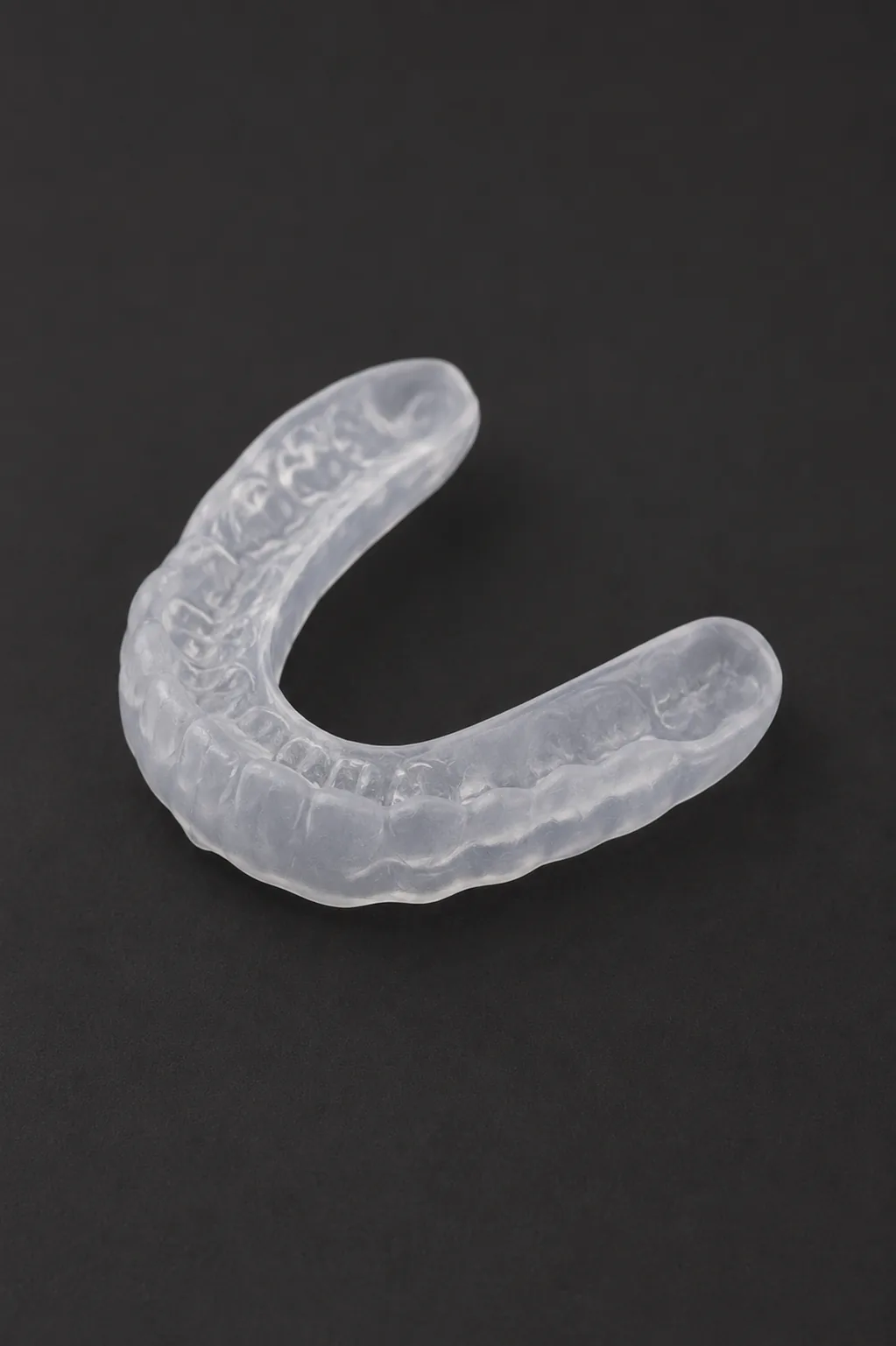
What are teeth grinding mouth guards?
Bruxism is a condition in which a person grinds, clenches, or gnashes their teeth unconsciously, usually during sleep. It is a common problem that can lead to various dental and health issues, such as tooth wear, jaw pain, headaches, and even TMJ disorder. To alleviate the symptoms of bruxism, dental professionals often recommend the use of bruxism mouth guards.
A bruxism mouth guard, also known as a night guard, is a dental appliance that is worn over the teeth to protect them from the pressure and force of grinding and clenching. It is designed to create a barrier between the upper and lower teeth, reducing the wear and tear that occurs during bruxism episodes. A mouth guard can also help to prevent jaw pain and headaches by redistributing the pressure across the teeth and the jaw muscles.
Mouth guards come in different shapes, sizes, and materials, depending on the severity of the bruxism and the patient’s preferences. Here are some of the most common materials used for bruxism mouth guards:
Hard acrylic is a durable and rigid material that is suitable for severe cases of bruxism. It is custom-made to fit the patient’s teeth precisely, providing maximum protection against grinding and clenching. Hard acrylic mouth guards are also easy to clean and maintain.
Soft vinyl is a more flexible and comfortable material that is often used for mild to moderate cases of bruxism. It is also custom-made to fit the patient’s teeth but has a softer texture that molds to the teeth and gums. Soft vinyl mouth guards are ideal for people who have sensitive teeth or who find hard acrylic mouth guards uncomfortable.
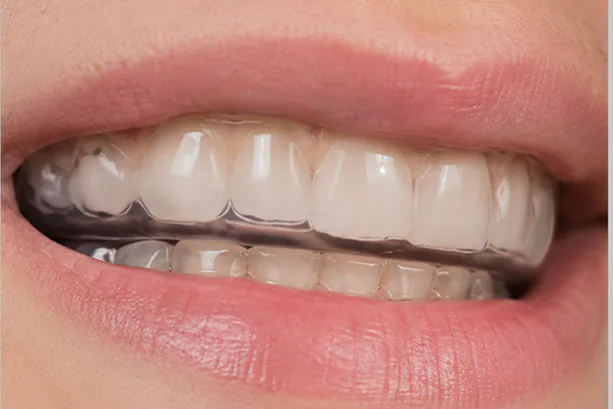
we Dual laminate mouth guards combine the best of both worlds, with a hard acrylic exterior and a soft vinyl interior. This material is ideal for people who have moderate to severe bruxism and who want a mouth guard that is both durable and comfortable. Dual laminate mouth guards are also easy to clean and maintain.
Thermoplastic is a versatile material that can be molded to fit the patient’s teeth by using heat. It is an affordable option for people who have mild to moderate bruxism and who do not want to spend too much money on a custom-made mouth guard. Thermoplastic mouth guards are also easy to clean and replace.
At Smith Sedation Dentistry we will determine the type of mouth guard that is best suited for your needs. With proper care and maintenance, a mouth guard can help to alleviate the pain and discomfort of bruxism and improve your overall dental health.
What to expect when being fitted for a mouth guard
Expect a Dental Impression
First, we will take a bite impression of the patient’s teeth using a putty-like material, which will be used to create a model of the teeth. This impression is then sent to a dental laboratory where a technician will use the model to fabricate a custom night guard.
Expect a Custom Mouth Guard from the Lab
Using the model, the lab technician will use a durable and comfortable material, such as hard acrylic or soft vinyl, to create the night guard. Our dentist will specify the material based on the needs of the patient and the level of protection required.
Expect a Final Fitting
Once the night guard has been fabricated, we will adjust and shape it to fit the patient’s teeth precisely, ensuring maximum protection and comfort.
More Questions about Teeth Grinding Mouth Guards?
Contact our Fresno office today to schedule a consultation with our dentist. We can answer any question you have about mouth guards and address any issues unique to your specific situation. We look forward to seeing you.
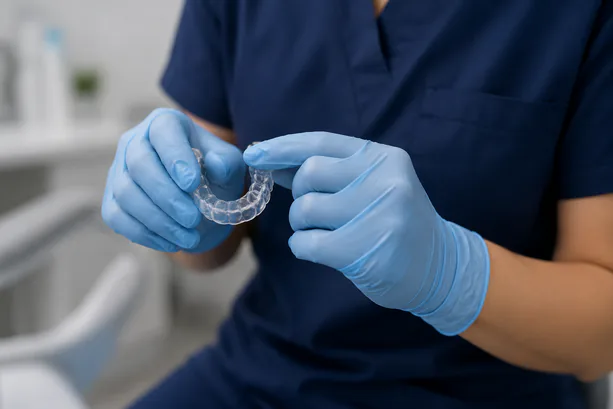
What are signs that you need a mouth guard?
You may be a candidate for a custom mouth guard if you are experiencing any of the following symptoms:
- Worn or flattened teeth
- Chipped, cracked or broken teeth
- Tooth sensitivity
- Painful or sore jaw muscles
- Frequent headaches or migraines
- Ear pain or ringing in the ears
- Neck and shoulder pain
- Disrupted sleep patterns
- Grinding or clenching during sleep
- Bite marks on the inside of the cheeks
- Receding gum lines
- Loose or shifting teeth
- Braces being damaged by grinding or clenching
Contacts us at Smith Sedation Dentistry for a consult to determine if a custom mouth guard is right for you.

What are the benefits of a custom mouth guard?
There are many benefits to choosing a custom bite guard over a store-bought night guard, including:
- Custom fit: A custom bite guard or night guard is made specifically for your teeth, which ensures a comfortable and secure fit. Store-bought night guards are often one-size-fits-all, which may not provide a proper fit.
- Maximum protection: A custom bite guard or night guard provides maximum protection for your teeth because it is designed to fit your teeth precisely. Store-bought night guards may not provide adequate protection and may even increase the risk of dental trauma.
- Increased comfort: A custom bite guard or night guard is designed to be comfortable to wear, which means you are more likely to wear it as recommended by your dental professional. Store-bought night guards may be uncomfortable, bulky, or difficult to wear, leading to noncompliance.
- Better durability: A custom bite guard or night guard is made from high-quality materials that are designed to withstand wear and tear. Store-bought night guards may not be as durable and may need to be replaced more frequently.
- Professional guidance: A custom bite guard or night guard is fabricated under the guidance of a dental professional, who can provide personalized advice on how to care for and maintain the guard. Store-bought night guards often come with limited instructions and may not be as effective.
A custom bite guard or night guard is a worthwhile investment in your dental health and can provide superior protection and comfort compared to store-bought options. Give us a call at Smith Sedation Dentistry and schedule your appointment today.
ADDITIONAL FREQUENTLY ASKED QUESTIONS ABOUT Teeth Grinding Mouth Guards
Can a mouth guard improve my breathing during sleep?
Yes, certain types of mouth guards can be designed to help improve breathing and help treat mild to moderate sleep apnea by repositioning the lower jaw or opening up the airway.
Can a mouth guard cause my teeth to shift?
No, a mouth guard is designed to prevent teeth from shifting due to grinding or clenching.
Can a mouth guard be worn with dentures?
Yes, a custom mouth guard can be designed to accommodates dentures.
Can a mouth guard help with TMJ disorders?
Yes, a properly designed mouth guard can help relieve symptoms of TMJ disorders by reducing pressure on the jaw joint.
Can a mouth guard be worn during orthodontic treatment?
Yes, a custom mouth guard can accommodate braces or other orthodontic appliances.
Is there a dentist near me in Fresno that offers teeth grinding mouth guards?
Yes. At our Fresno dental office we offers custom mouth guards to patients in Fresno and the surrounding area. Contact our office today to schedule an appointment.
Helpful Related Links
- American Dental Association (ADA). Glossary of Dental Terms.
- American Academy of Cosmetic Dentistry® (AACD). Home Page.
- WebMD. WebMD’s Oral Care Guide.
Are you one of the many people who dread going to the dentist? Does the mere thought of a dental procedure make you anxious or fearful? If so, sedation dentistry may be the solution you’ve been looking for. With the help of sedatives, you can experience pain-free and stress-free dental procedures. Sedation dentistry has revolutionized the way people receive dental care, allowing individuals to overcome their fear and anxiety and get the treatment they need. If you’re someone who’s been avoiding the dentist and putting off dental treatment for a long time you can finally overcome your fear and get the dental care you need. Don’t let fear hold you back from achieving a healthy, beautiful smile – explore the benefits of sedation dentistry.
What is sedation dentistry?
Sedation dentistry is a valuable tool for patients who struggle with dental anxiety or phobia, as well as those who require complex or lengthy dental procedures. Different types of sedation can be used to help patients feel more relaxed and comfortable during their treatment, depending on their individual needs and the complexity of the procedure.
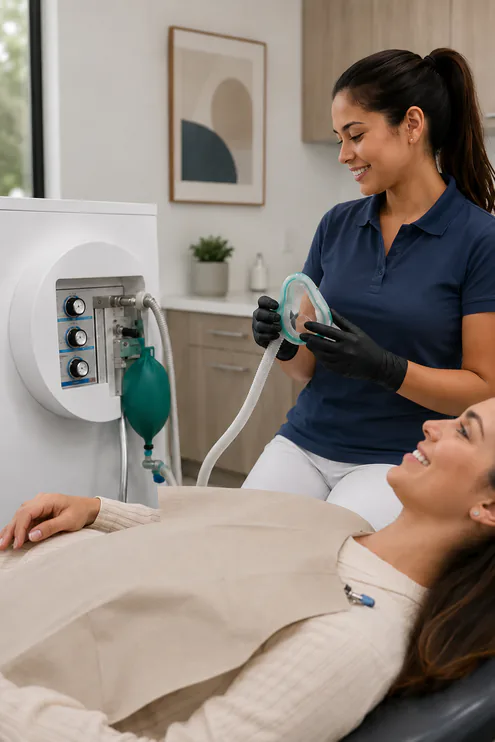
Laughing gas: One of the most common types of sedation used in dentistry is laughing gas. Laughing gas is inhaled through a mask placed over the patient’s nose, and it produces a mild, calming effect that helps to reduce anxiety and discomfort. It is a safe and effective method of sedation that wears off quickly, allowing patients to drive themselves home after the procedure.
Oral sedation: Another type of sedation commonly used in dentistry is oral sedation. This involves taking a pill before the procedure to induce drowsiness and relaxation. Oral sedation is a great option for patients who have more severe dental anxiety or who need a deeper level of sedation than laughing gas can provide. It can also be helpful for patients who have difficulty sitting still for long periods of time or who need extensive dental work.
Intravenous (IV) sedation: This is an option for patients who require a deeper level of sedation. IV sedation involves administering sedatives directly into the bloodstream through an IV line, which produces a more profound state of relaxation than laughing gas or oral sedation. This method is often used for more complex procedures or for patients with severe anxiety or fear of dental treatment.
Your sedation options depend on the your individual needs and the complexity of the procedure. Our dentist will discuss the options with you and help you make an informed decision.
What to expect during sedation
What to Expect with laughing gas
When laughing gas is administered, the first step is for the dentist or dental assistant to fit a small mask over the patient’s nose. The mask is connected to a machine that delivers a mixture of laughing gas and oxygen. The patient will then breathe normally through the mask, inhaling the gas mixture. Within a few minutes, the patient will begin to feel the effects of the gas, which include a mild sense of euphoria and a feeling of relaxation. The dentist or dental assistant will monitor the patient’s response to the gas and adjust the mixture as needed to ensure that the patient remains comfortable throughout the procedure. Once the procedure is complete, the mask is removed and the patient is monitored until the effects of the gas wear off completely.
What to Expect with Oral Sedation
During oral sedation, the patient takes a pill before the procedure, typically about an hour before the appointment. The sedative medication induces a state of drowsiness and relaxation, helping the patient to feel more at ease during the procedure. Patients who undergo oral sedation will typically remain awake and aware, but may feel groggy and have impaired memory of the procedure. It’s important to arrange for a trusted friend or family member to drive the patient home after the procedure, as the sedative effects can last for several hours. Your dentist will provide you with specific instructions to follow before and after the procedure to ensure the best possible outcome.
More Questions about Sedation?
Contact our office today to schedule a consultation. We can answer any question you have about sedation and address any issues unique to your specific situation. We look forward to seeing you.

Why is sedation dentistry so important?
According to the American Dental Association (ADA), approximately 22% of American adults (age 18 and over) avoid going to the dentist due to fear or anxiety. This means that nearly 1 in 4 adults in the United States are not receiving the dental care they need, which can lead to a host of dental problems and potential health issues.
Sedation dentistry is important because it allows patients who struggle with dental anxiety or phobia to receive the dental care they need without undue stress or discomfort. If you struggle with dental anxiety, it’s time to call Smith Sedation Dentistry for a consult. We can go over all of your sedation dentistry options.
Reasons for sedation dentistry
Dental anxiety or phobia
Many people experience anxiety or fear related to dental visits or procedures, which can make it difficult for them to seek dental care or undergo necessary procedures. Sedation dentistry can help to alleviate this anxiety and promote relaxation, making it easier for patients to receive the care they need.
Fear of needles or drills
Some patients may be afraid of needles or drills, which are commonly used in dental procedures. Sedation dentistry can help to reduce anxiety related to these instruments, making the experience more comfortable and less stressful.
Sensitive teeth or gums
Patients with sensitive teeth or gums may experience discomfort during dental procedures, which can make it difficult to undergo necessary treatment. Sedation dentistry can help to reduce this discomfort and promote relaxation during procedures.
Low pain threshold
Patients with a low pain threshold may experience significant discomfort during dental procedures, which can make it difficult to undergo necessary treatment. Sedation dentistry can help to reduce pain and promote relaxation during procedures, making the experience more comfortable.
Strong gag reflex
Some patients may have a strong gag reflex, which can make it difficult to undergo certain dental procedures. Sedation dentistry can help to reduce this reflex, making the experience more comfortable for the patient.
Difficulty sitting still
Some patients may have difficulty sitting still for long periods of time, which can make it difficult to undergo complex or lengthy dental procedures. Sedation dentistry can help to promote relaxation and reduce discomfort, making it easier for patients to remain still during procedures.
Complex dental procedures
Some dental procedures can be complex or lengthy, requiring significant time and effort from the patient. Sedation dentistry can help to make these procedures more comfortable and less stressful for the patient.
Previous negative dental experiences
Patients who have had negative experiences with dental care in the past may be reluctant to seek treatment or undergo necessary procedures. Sedation dentistry can help to alleviate anxiety related to these experiences and promote relaxation during future procedures.
Physical or cognitive disabilities
Patients with physical or cognitive disabilities may have difficulty undergoing dental procedures without assistance. Sedation dentistry can help to promote relaxation and reduce discomfort, making it easier for these patients to receive the care they need.
Traumatic dental injury or PTSD
Patients who have experienced traumatic dental injuries or who have post-traumatic stress disorder (PTSD) may experience anxiety or fear related to dental procedures. Sedation dentistry can help to alleviate this anxiety and promote relaxation during procedures, making it easier for patients to receive necessary care.
More Questions about Sedation Dentistry?
Some of the most common dental services performed with sedation dentistry include root canals, tooth extractions, dental implants, and complex restorative procedures.
Contact our office today to schedule a consultation. We can answer any questions you have about sedation dentistry options and address any issues unique to your specific situation. We look forward to seeing you.
ADDITIONAL FREQUENTLY ASKED QUESTIONS ABOUT SEDATION DENTISTRY
What is sedation dentistry?
Sedation dentistry involves the use of medications to help patients relax and remain calm during dental procedures.
Is sedation dentistry safe?
Yes, sedation dentistry is generally considered safe when administered by a trained and experienced dentist.
Who is a good candidate for sedation dentistry?
Sedation dentistry may be a good option for patients with dental anxiety, fear of needles or drills, sensitive teeth or gums, a low pain threshold, a strong gag reflex, or difficulty sitting still for long periods of time.
How can I prepare for sedation dentistry?
Patients should follow their dentist’s instructions for preparing for sedation dentistry, which may include fasting before the procedure and arranging for transportation home afterwards. It is also important to disclose any medications or health conditions to the dentist before the procedure.
Is there a sedation dentist near me in Fresno that offers sedation dentistry?
Yes. At our Fresno dental office we offer sedation dentistry to patients in Fresno and the surrounding area. Contact our office today to schedule an appointment.
Gum disease, also known as periodontal disease, is a common dental condition that affects the gums and tissues surrounding the teeth. It is caused by the buildup of plaque and bacteria on the teeth and gums, which can lead to inflammation and infection. Gum disease can range from mild gingivitis, which causes redness and bleeding of the gums, to more severe periodontitis, which can result in tooth loss and damage to the supporting bone structure. Gum disease treatment typically involves a combination of professional cleaning, medication, and improved oral hygiene habits. Early detection and treatment of gum disease is important to prevent further damage and preserve overall oral health.
What is Gum Disease treatment?
Gum disease treatment typically involves several steps to control the infection, reduce inflammation, and prevent further damage to the gums and teeth. The first step is usually a professional dental cleaning, also known as scaling and root planing, to remove plaque and tartar from the teeth and below the gum line. Antibacterial medications may also be prescribed to control the infection. In more severe cases, surgery may be necessary to repair or regenerate damaged tissue, or to remove severely infected teeth. Maintaining good oral hygiene practices, such as regular brushing and flossing, and scheduling regular dental check-ups can also help prevent and manage gum disease. Your dentist or periodontist will determine the best course of treatment based on the severity of your gum disease and individual needs.
How does gum disease develop?
Gum disease develops when bacteria and plaque accumulate on and around the teeth and gums. When these substances are not removed through regular brushing and flossing, they can cause irritation and inflammation of the gums, leading to the early stages of gum disease, known as gingivitis. If left untreated, gingivitis can progress to more severe forms of gum disease, such as periodontitis, which can result in irreversible damage to the teeth and gums. Other factors that can contribute to the development of gum disease include smoking, hormonal changes, certain medications, and genetics. Regular dental check-ups and good oral hygiene habits are essential in preventing and managing gum disease.
How is gum disease linked to other health issues?
Gum Disease and Heart Attacks
Research has shown that gum disease is linked to other health problems such as heart attacks. When left untreated, the bacteria and inflammation associated with gum disease can enter the bloodstream and travel to other parts of the body, potentially contributing to a variety of health issues. For example, gum disease has been linked to an increased risk of heart disease, stroke, diabetes, respiratory infections, and pregnancy complications. While the exact mechanisms behind these connections are not yet fully understood, maintaining good oral hygiene and seeking treatment for gum disease can help reduce the risk of developing these and other health problems.
More Questions about Gum Disease?
Contact our office today to schedule a consultation with our dentist. We can answer any questions you have about gum disease treatment and address any issues unique to your specific situation.
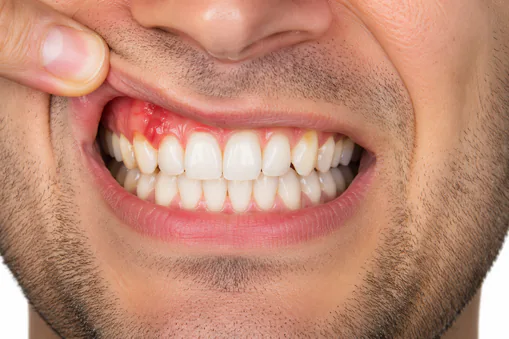
What are the symptoms or signs of gum disease?
Common symptoms of gum disease include:
- Red, swollen, or tender gums
- Bleeding gums, especially during brushing or flossing
- Receding gums or teeth that appear longer
- Persistent bad breath or a bad taste in the mouth
- Changes in the way your teeth fit together when you bite or chew
- Loose or shifting teeth
- Pus between the teeth and gums
- Changes in the alignment of teeth or a change in the way partial dentures fit
It is important to note that some people with gum disease may not experience any symptoms, which is why regular dental check-ups with our Fresno dentist are essential in detecting and managing the condition.
How your dentist identifies periodontal disease
Visual exam
The dentist or dental hygienist will visually inspect your teeth and gums, looking for signs of redness, swelling, bleeding, or other signs of inflammation.
Pocket depth measurement
The dentist or dental hygienist will use a probe to measure the depth of the pockets between your teeth and gums. Deeper pockets may indicate the presence of gum disease.
X-rays
X-rays can help detect bone loss or other structural changes that may indicate gum disease.
Medical history
Your dental professional will ask about your medical history, including any medications you are taking or health conditions you have that may contribute to gum disease.
More Questions about Gum Disease?
Contact our office today to schedule a consultation. We can answer any question you have about gum disease and address any issues unique to your specific situation. We look forward to seeing you at Smith Sedation Dentistry.
How is periodontal disease treated at our Fresno dental office?
First, a thorough cleaning of the teeth and gums is performed to remove plaque and tartar build-up. Antibacterial medication may also be prescribed to control the infection. In more advanced cases, the dentist may perform scaling and root planing to remove plaque and tartar from below the gum line. In severe cases, surgery may be necessary to repair or regenerate damaged tissue, or to remove severely infected teeth. With proper treatment and ongoing oral care, gum disease can be managed, and the health of the gums and teeth can be restored. Contact us at Smith Sedation Dentistry in cityname today.
ADDITIONAL FREQUENTLY ASKED QUESTIONS ABOUT PERIODONTAL DISEASE
Is periodontal disease or gum disease contagious?
Technically, periodontal disease is not contagious. However, the bacteria that causes the inflammation is contagious and can be transmitted through saliva. If you have gum disease, you should avoid sharing eating utensils.
How can I prevent periodontal disease?
Practicing good oral hygiene habits such as brushing twice a day, flossing daily, and visiting the dentist regularly for cleanings can help prevent periodontal disease.
Is periodontal disease genetic?
While genetics may play a role in periodontal disease, environmental factors such as poor oral hygiene and smoking are more significant factors in its development.
Can periodontal disease be reversed?
Early-stage periodontal disease can be reversed through improved oral hygiene habits, regular professional cleanings, and a healthy diet. However, advanced cases of periodontal disease may require more extensive treatment.
Is there a dentist near me in Fresno that offers gum disease treatment?
Yes. At our Fresno dental office we offer gum disease treatment to patients in Fresno and the surrounding area. Contact our office today to schedule an appointment.
Helpful Related Links
- American Dental Association (ADA). Glossary of Dental Terms.
- American Academy of Cosmetic Dentistry® (AACD). Home Page.
- WebMD. WebMD’s Oral Care Guide.