Are you tired of missing teeth affecting your smile and ability to eat comfortably? Look no further than All-on-4 dental implants! This revolutionary technique involves just four strategically placed titanium posts and a denture plate to restore a full arch of teeth, leaving you with a beautiful, functional smile in just one session. Say goodbye to the hassle of bone grafts and multiple appointments, and hello to a brand new you with All-on-4 dental implants.

What are All-on-4 dental implants?
The All-on-4 dental implant technique, also referred to as full arch implants, comprises four titanium posts strategically implanted along the arch of the jaw and connected to a denture plate. Its primary goal is to replace a complete arch of teeth, restoring the functionality of your bite and the aesthetic of your smile.
This method is an exceptional solution for missing teeth that entails a minor two-hour surgery per arch. The All-on-4 system eliminates the necessity for bone grafts to support the implant as the dentist can position the posts in the most compact part of the jaw. It reduces chair time and recovery time as the whole process, from post insertion to denture fitting, is accomplished in one session, allowing you to leave with a brand new smile on the same day.
What is the All-on-4 Dental Implant Procedure?
Curious about All-on-4 dental implants? This innovative dental implant technique utilizes small titanium screws that fuse to your jawbone, replacing the root of a missing tooth. While traditional implants require one for each missing tooth, All-on-4 streamlines the process by using just four implants to support a full set of upper or lower teeth. Unlike the traditional method that may require bone grafting and sinus augmentation, All-on-4 only needs two implants angled at 45 degrees, avoiding areas of low bone density while maintaining strength. Say hello to a new smile without the hassle, thanks to All-on-4.
Benefits of choosing All on 4 implants over conventional implants:
- Support for a full arch with only four implants required
- No need for bone grafting
- Reduced healing and rehabilitation process due to less invasive surgery
- Faster procedure than traditional implants
- Greater flexibility for designing and fitting replacement teeth
- Lower bone density needed to secure the implant
- Fixed teeth can be received within just 24 hours after surgery

Who is a candidate for All-on-4?
If you’re wondering whether full mouth implants are a viable option for your dental concerns, the answer is yes! Here are some common situations where we may recommend this treatment:
- Your missing, failing, or damaged teeth severely affect your daily life, eating habits, and self-confidence when smiling.
- You’ve tried dentures, but they don’t fit properly, cause discomfort, and risk embarrassing accidents.
- Conventional implants aren’t an option for you due to reduced bone density resulting from tooth loss or gum disease.

The Next Step in All-on-4 dental implants at our Fresno dental office
If you’re tired of concealing your smile and seeking information about the available options, our Smith Sedation Dentistry is here to assist you. We can conduct an implant assessment, during which we can evaluate your individual requirements and potential treatment results.
ADDITIONAL FREQUENTLY ASKED QUESTIONS ABOUT ALL-ON-4 DENTAL IMPLANTS
How long do all-on-4 implants last?
Does food get stuck under all-on-4 dental implants?
How do I clean all-on-4 dental implants?
After each meal, use dental floss to clean under the bridge. You can also use a water pick and/or non-alcoholic antibacterial mouthwash mixed with water. It is recommended to brush your teeth with an electric toothbrush like Oral B or Sonicare. Additionally, don’t forget to brush your tongue and the inside of your cheeks to eliminate bacteria and bad breath.
Is it necessary to undergo anesthesia for the full mouth dental implants procedure?
No, it is not necessary. The procedure can be carried out with the use of either a local anesthetic or “sleep dentistry.”
With sleep dentistry, hospitalization is not required, and the procedure can be completed at our practice.
Is there a dentist near me in Fresno that offers all-on-4 dental implants?
Yes. At our Fresno dental office we offer All-on-4 dental implants to patients from Fresno and the surrounding area. Contact our office today to schedule an appointment.
Missing teeth can take a toll on one’s confidence and quality of life, making it difficult to smile, eat, and speak with ease. Thankfully, modern dentistry has provided us with effective solutions to restore missing teeth, including dentures and permanent dentures. Dentures are a removable replacement for missing teeth that not only restore your smile but also enhance your oral health and function. Whether you need a complete set of dentures or just a partial one, you can rely on them to give you a natural-looking and comfortable fit. Permanent dentures, on the other hand, are a non-removable solution that can be attached to dental implants or remaining natural teeth, providing a secure and stable fit that feels and functions like natural teeth. Regardless of which option you choose, dentures and permanent dentures can help you regain your confidence and improve your quality of life.

What are dentures?
Dentures are dental prostheses designed to replace natural teeth that have been lost or removed. These artificial teeth and gums are custom-made by your dentist to fit your mouth and restore your ability to eat, speak, and smile with confidence. Depending on your needs, dentures can be full or partial, replacing either all teeth on the top or bottom gum line or just a few missing ones. Your dentures will be tailored to fit your unique mouth shape and color-matched to blend seamlessly with your existing teeth, ensuring a natural-looking and comfortable fit.
What are the different types of dentures?
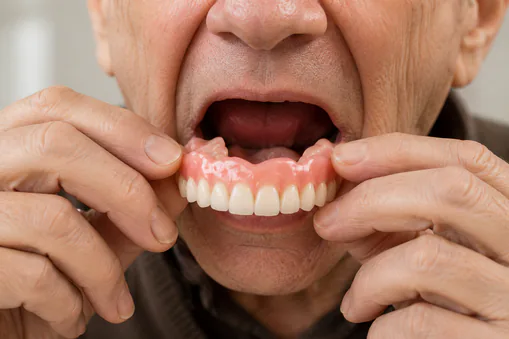
Complete Dentures
Complete dentures are removable dental appliances designed to replace all of the natural teeth in either the upper or lower jaw, or both. They consist of a gum-colored acrylic base that supports a full set of artificial teeth, which are custom-made to fit your mouth and closely mimic the appearance of natural teeth.
Here at our office we can fit the upper arch for a complete denture, but Dr. Smith doesn’t belive that the complete lower denture is effive to restore the lower arch. Dr. Smith will not make a complete lower denture without some kind of implant supporting the denture.1
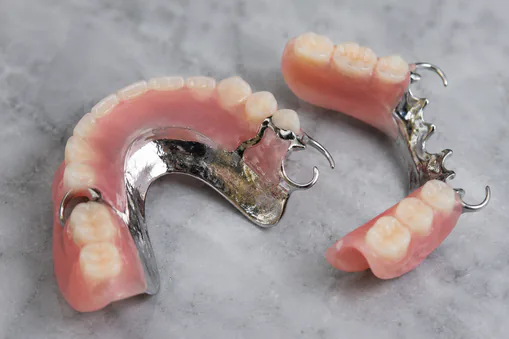
Partial Dentures
Partial dentures are dental prostheses designed to replace one or several missing teeth. Unlike complete dentures, partial dentures attach to the remaining natural teeth with metal clasps or precision attachments, providing a secure and stable fit.
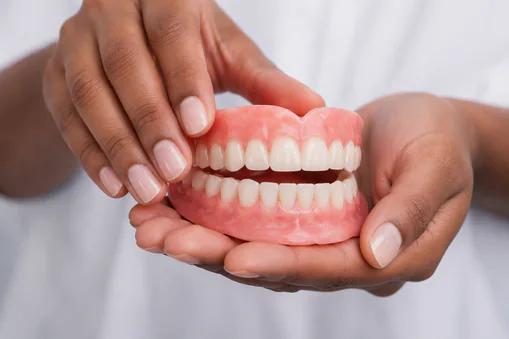
Immediate Dentures
Immediate dentures are a type of denture that are placed immediately after tooth extraction, providing patients with a complete set of teeth during the healing process. They are custom-made to fit your mouth and closely mimic the appearance of your natural teeth.
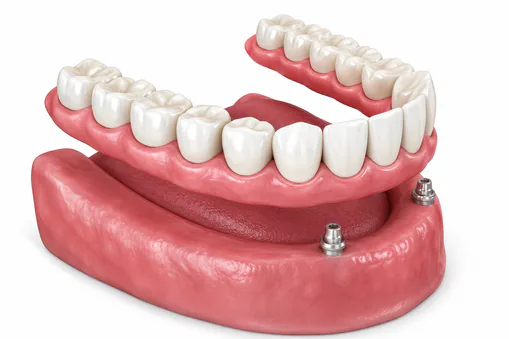
Overdentures
Overdentures are a type of denture that fit over existing teeth or dental implants, providing a more stable and secure fit. They are designed to snap or clip onto abutments that are attached to the natural teeth or dental implants, which helps hold the denture in place and prevents it from slipping or moving around in the mouth.
Overdentures are typically recommended for patients who have some remaining natural teeth or dental implants that can provide support for the denture.
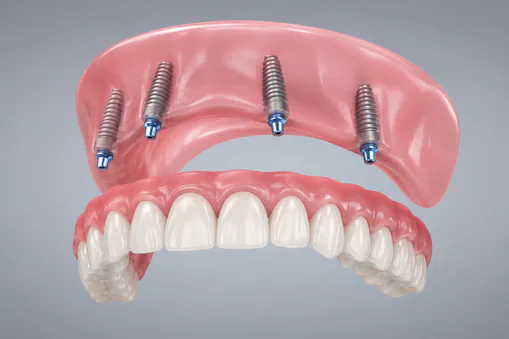
Implant-Supported Dentures
Implant-supported dentures are a type of denture that attach to dental implants that have been surgically placed in the jawbone. They are designed to provide a more stable and secure fit than traditional dentures, which rely on suction or adhesives to stay in place.
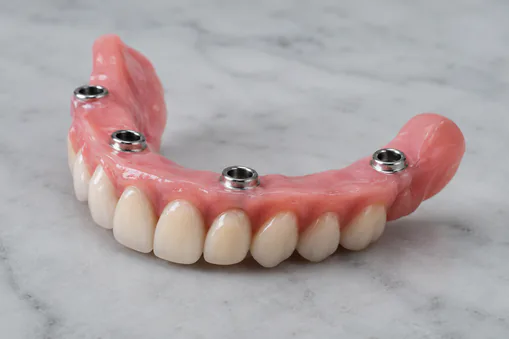
Snap-In Dentures
Snap-in dentures, also known as implant-retained dentures or overdentures, are a type of denture that attach to dental implants using locator attachments or snaps. They offer a secure fit that is less likely to slip or shift when eating or speaking compared to traditional dentures.
What Should I Expect When Being Fitted for Dentures?
In the event that you have damaged or decayed teeth that need to be extracted, our dentist will first perform the necessary extractions before taking a mold of your remaining gum structure and the roof of your mouth. This mold serves as a blueprint for the fabrication of your dentures, ensuring that they fit comfortably and securely.
Once the mold is taken, it will be sent to a dental laboratory where skilled technicians will create your customized dentures.
When the completed dentures are ready, you will return to our dental office in Fresno for a final fitting. During this appointment, our dentist will check the fit and adjust the dentures if necessary to ensure that they are comfortable and secure. We will also provide instructions on how to properly care for your new dentures to ensure their longevity and performance.
It’s important to keep in mind that adjusting to new dentures can take time and patience. You may experience some discomfort or soreness as your mouth adjusts to the dentures, but this is normal and should subside within a few weeks. As you become more accustomed to your dentures, you’ll be able to enjoy the many benefits they offer, including improved chewing ability, clearer speech, and a restored sense of confidence. With proper care and maintenance, your dentures can provide you with a functional and natural-looking set of teeth for many years to come.
ADDITIONAL FREQUENTLY ASKED QUESTIONS ABOUT DENTURES
How do I care for my dentures?
To care for your dentures, you should brush them daily with a soft-bristled brush and mild soap, rinse them thoroughly, and store them in water or denture solution when not in use.
Can I sleep with my dentures in?
It is generally recommended to remove dentures at night to give your gums and jawbone a chance to rest and to allow for proper cleaning and maintenance.
How long do dentures last?
The lifespan of dentures can vary depending on the type, material, and frequency of use, but they typically last between 5-10 years.
Are dentures expensive?
The cost of dentures can vary depending on several factors, such as the type, materials, and the complexity of the fabrication process. At Smith Sedation Dentistry we will provide you with a cost estimate based on your individual needs.
Can dentures be repaired if they break?
Yes, dentures can often be repaired if they become damaged or broken. Your dentist can assess the damage and recommend the appropriate repair method.
Can dentures affect my speech?
It is common to experience some changes in speech patterns when adjusting to new dentures, but with practice, most people can speak normally.
What should I do if my dentures become loose?
If your dentures become loose, it may be time for an adjustment or replacement. Contact your dentist to schedule an appointment for an evaluation.
Is there a dentist near me in Fresno that offers custom dentures?
Yes. At our Fresno dental office we offer dentures to patients that live in Fresno and the surrounding area. Contact our office today to schedule an appointment.
Helpful Related Links
- WebMD – Additional Denture Education
- American Dental Association (ADA). Glossary of Dental Terms.
- American Academy of Cosmetic Dentistry® (AACD). Home Page.
- WebMD. WebMD’s Oral Care Guide.
Are you tired of feeling self-conscious about your smile? Do you have multiple dental issues that are affecting your oral health and overall well-being? A full mouth restoration may be right option for you. This comprehensive dental treatment is designed to address all of your dental concerns and transform your smile. With a full mouth restoration, you can achieve a healthy, functional, and beautiful smile that will boost your confidence and improve your quality of life. Let’s explore what a full mouth restoration entails and how it can benefit you.

What is a full mouth restoration?
Full mouth restoration is a comprehensive dental treatment that involves restoring or replacing all of the teeth in the upper and lower jaws. This treatment is designed for individuals who have multiple dental problems, including missing, damaged, or decayed teeth, gum disease, bite problems, and other oral health issues. Full mouth restoration is a customized treatment plan that may involve a combination of dental procedures, such as dental implants, crowns, bridges, veneers, gum treatments, and orthodontics. The goal of full mouth restoration is to restore the health, function, and appearance of the entire mouth, improving the patient’s oral health and quality of life. If you have multiple dental issues that are impacting your smile, Full Mouth Restoration may be the solution you’ve been looking for.
What procedures are part of a full mouth restoration?
A full mouth restoration might include any of the following procedures:
- Dental implants: A surgical procedure to replace missing teeth with artificial teeth that are anchored to the jawbone.
- Crowns and bridges: Restorative dental procedures that can be used to repair damaged or missing teeth.
- Veneers: A cosmetic dental procedure that involves placing thin shells of porcelain or composite resin on the front surface of the teeth to improve their appearance.
- Orthodontics: A branch of dentistry that involves the use of braces, clear aligners, or other appliances to straighten teeth and correct bite problems.
- Periodontal (gum) therapy: Treatment of gum disease, which can involve scaling and root planing, antibiotics, and other procedures.
- Endodontic (root canal) therapy: A procedure to remove infected or damaged tissue from the inner part of a tooth and replace it with a filling.
- Dental fillings: A procedure to remove decayed material from a tooth and fill the cavity with a restorative material such as composite resin or amalgam.
- Dental bonding: A cosmetic dental procedure that uses a tooth-colored resin to repair chipped, cracked, or discolored teeth.
- Tooth extractions: Removal of a tooth that is damaged, decayed, or causing other dental problems.
- TMJ (temporomandibular joint) therapy: Treatment for disorders of the jaw joint, which can involve exercises, medication, or in severe cases, surgery.
- Bone grafting: A surgical procedure to replace missing bone in the jaw to provide support for dental implants or other restorations.
- Sinus lifts: A surgical procedure to add bone to the upper jaw in order to support dental implants.
- Gum grafting: A surgical procedure to replace lost or damaged gum tissue.
- Teeth whitening: A cosmetic dental procedure that uses bleaching agents to lighten the color of the teeth.
More Questions about Full Mouth Restorations?
Contact our office today to schedule a consultation. We can go over all your dental options and customize a dental plan just for you. We look forward to seeing you.

Are you a candidate for a full mouth restoration?
Patients who suffer from multiple dental issues such as chipped or missing teeth, cracked or broken crowns, severe decay, enamel breakdown, and stains may benefit from a full mouth restoration. This comprehensive treatment approach aims to restore the function, health, and aesthetic of the entire mouth.
Dental issues such as missing or damaged teeth can make it difficult to chew, speak, and even smile with confidence. A full mouth restoration can address these issues and restore the ability to perform basic oral functions with ease. It can also enhance the appearance of your teeth and boost your self-esteem.
Moreover, some patients choose to undergo a full mouth restoration to correct crooked or misaligned teeth without undergoing orthodontic treatment. This is especially beneficial for those who may not have the time or patience for traditional braces or aligners.
If you’re experiencing dental pain or discomfort, difficulty eating or speaking, or if you’re unhappy with the appearance of your teeth, schedule a consult with our Fresno dentist to determine if a full mouth restoration is right for you. We will evaluate your oral health and create a personalized treatment plan that addresses your individual needs and goals.
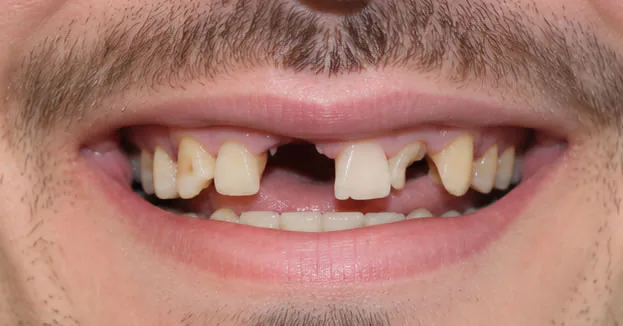
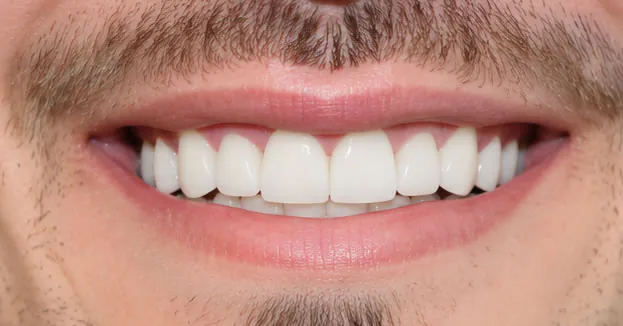
Planning full mouth restoration
A dental professional will evaluate and plan out a full mouth restoration by performing a comprehensive examination of the teeth, gums, and jawbone. This process includes several steps:
- Comprehensive Dental Exam: The first step in planning a full mouth restoration is a comprehensive dental exam, which includes taking x-rays, photographs, and impressions of the teeth and gums. This allows the dentist to evaluate the overall health of the mouth and identify any underlying issues that need to be addressed.
- Oral Health Evaluation: The dentist will evaluate the overall oral health of the patient, which includes examining the teeth and gums for signs of decay, damage, or infection. They will also check for signs of periodontal disease, which can affect the health of the gums and bone supporting the teeth.
- Bite Analysis: The dentist will evaluate the patient’s bite and jaw function to determine if there are any issues with alignment or temporomandibular joint (TMJ) disorder.
- Treatment Planning: Based on the findings of the examination, the dentist will create a personalized treatment plan that addresses the patient’s individual needs and goals. This may involve restorative procedures such as fillings, porcelain crowns, or bridges, orthodontic treatment, periodontal treatment, and cosmetic dentistry procedures such as teeth whitening or veneers.
- Reviewing Treatment Options: The dentist will review the treatment plan with the patient, explaining the various options available and their benefits and risks. They will also discuss the expected timeline, cost, and any possible complications or side effects.
- Follow-Up: Once the treatment plan has been agreed upon, the dentist will schedule the necessary appointments and follow-up visits to ensure the success of the full mouth restoration and maintain the health and longevity of the restorations.
ADDITIONAL FREQUENTLY ASKED QUESTIONS ABOUT FULL MOUTH RESTORATIONS
Can a full mouth restoration fix my crooked teeth without braces?
Will my full mouth restoration look natural?
Yes, a skilled and experienced dentist can create natural-looking restorations that blend in with your existing teeth and enhance the appearance of your smile.
How much does a full mouth restoration cost?
The cost of a full mouth restoration can vary depending on the extent of the treatment. It is important to schedule a consultation with at our dental office to get an accurate estimate of the cost.
Can a full mouth restoration improve my overall oral health?
Yes, a full mouth restoration can address multiple dental issues, such as decay, damage, or misalignment, which can improve the overall health of your mouth.
Is there a dentist near me in Fresno that offers full mouth restorations?
Yes. At our Fresno dental office we offer full mouth restorations to patients from Fresno and the surrounding area. Contact our office today to schedule an appointment.
Wisdom teeth removal is a common dental procedure that involves the extraction of one or more wisdom teeth, which are the final set of molars that typically emerge in a person’s late teens or early twenties. While some people may not experience any issues with their wisdom teeth, others may require removal due to various reasons such as impaction, infection, crowding, or decay. This procedure is typically performed by an oral surgeon or a dentist and is considered a routine outpatient surgery.

What is wisdom teeth removal?
Wisdom teeth are the third set of molars located at the back of your mouth, usually appearing between the ages of 17 and 25. While these teeth can be useful for chewing and grinding food, they can also cause problems if they do not have enough space to grow properly. Wisdom teeth removal is a common dental procedure that is often recommended to prevent potential issues.
The procedure of wisdom teeth removal involves a minor surgical process to extract the teeth. The process is typically performed by an oral surgeon or a dentist, depending on the complexity of the case. Before the procedure, the dentist will administer local anesthesia to numb the area around the wisdom teeth. In some cases, the dentist will administer laughing gas sedation or general anesthesia to put the patient to sleep during the procedure.
It is common to experience some pain and swelling following wisdom teeth removal. Your dentist will provide you with instructions on how to manage any discomfort and prevent infection. It is important to follow these instructions carefully to ensure a smooth and quick recovery.
What to expect during wisdom teeth removal
Wisdom teeth removal is a routine dental procedure that involves the extraction of one or more wisdom teeth, the final set of molars that typically emerge in late adolescence or early adulthood. This procedure is often recommended to prevent potential oral health problems, such as gum disease, tooth decay, and overcrowding, that can occur when the wisdom teeth do not have enough room to grow properly.
Expect Xrays
Before the procedure, the dentist will perform a comprehensive examination of the teeth and gums, and may take X-rays to determine the position and condition of the wisdom teeth. Based on the findings, the dentist will then recommend the best course of action, which may include removal of one or more wisdom teeth.
Expect Anesthesia
During the procedure, the patient will be given anesthesia to ensure comfort and minimize pain. The type of anesthesia used will depend on the patient’s preference and the complexity of the case. Local anesthesia is typically used to numb the area around the wisdom teeth, while laughing gas or general anesthesia may be recommended for patients who prefer to be sedated or asleep during the procedure.
Expect Extraction
Once the anesthesia has taken effect, the dentist will make an incision in the gum tissue to expose the wisdom teeth and the bone. The teeth are then gently loosened and removed from the sockets using specialized instruments. After the extraction is complete, the dentist will place stitches in the gums to promote healing.
More Questions about Wisdom Teeth Removal?
Contact our office today to schedule a consultation. We can answer any question you have about wisdom teeth removal and address any issues unique to your specific situation. We look forward to seeing you.
What are reasons why wisdom teeth might need removal?
There are several reasons why wisdom teeth might need to be removed. Here are some of the most common reasons:
- Lack of space: If there is not enough room in the mouth for the wisdom teeth to fully emerge, they can become impacted and cause pain or infection.
- Crowding: Wisdom teeth can push against neighboring teeth, causing crowding, shifting, and damage to adjacent teeth.
- Angle of growth: If wisdom teeth grow at an angle, they can cause pain, discomfort, and damage to other teeth.
- Decay and gum disease: Wisdom teeth can be difficult to clean properly, increasing the risk of tooth decay and gum disease.
- Cysts and tumors: In rare cases, cysts or tumors can develop around impacted wisdom teeth, causing pain and potential damage to the jawbone.
If you experience any of these symptoms or signs, it’s important to schedule a consultation with our Fresno dentist to determine if wisdom teeth extraction is necessary.
What are impacted wisdom teeth?
Impacted wisdom teeth occur when the teeth do not have enough space to grow properly and become stuck or partially emerged in the gum tissue or jawbone. Here is an overview of the symptoms and treatment options for impacted wisdom teeth:
Symptoms:
- Pain and discomfort in the back of the mouth
- Swelling and redness of the gums
- Difficulty opening the mouth
- Bad breath and unpleasant taste in the mouth
- Headaches and earaches
Treatment:
- If you are experiencing symptoms of impacted wisdom teeth, it is important to consult with a dentist or oral surgeon. They may recommend removing the impacted teeth to prevent further complications.
- Prior to the procedure, local or general anesthesia will be administered to ensure your comfort during the process.
- The teeth will then be gently loosened and removed from the sockets, and stitches may be placed to promote healing.
- After the procedure, your dentist will provide you with instructions on how to manage any discomfort and prevent infection.
More Questions about Impacted Wisdom teeth?
Contact our office today to schedule a consultation. We can answer any questions you have about impacted wisdom teeth extraction.
What is pericoronitis and how is it treated?
Pericoronitis is an inflammation of the gum tissue surrounding a partially erupted tooth, most commonly the wisdom teeth. It occurs when bacteria and debris get trapped under the gum flap covering the tooth, leading to infection and swelling. Here is an overview of how pericoronitis is treated:
Symptoms:
- Pain and tenderness in the affected area
- Swelling and redness of the gum tissue
- Difficulty opening the mouth
- Bad breath and an unpleasant taste in the mouth
- Fever and swollen lymph nodes (in severe cases)
Treatment:
- The first step in treating pericoronitis is to clean the area thoroughly to remove any debris and bacteria.
- Your dentist may prescribe antibiotics to treat the infection and reduce inflammation.
- Over-the-counter pain medications such as ibuprofen may be recommended to manage pain and discomfort.
- Warm salt water rinses can help reduce swelling and promote healing.
- In some cases, the dentist may need to perform a minor surgical procedure to remove the gum flap covering the tooth, allowing it to fully emerge and preventing future episodes of pericoronitis.
Call us at Smith Sedation Dentistry if you are experiencing symptoms of pericoronitis. You may need treatment to prevent the infection from spreading and causing further complications.
How can I prepare for wisdom teeth extractions?
Preparing for a wisdom teeth removal procedure can help ensure a smooth and successful surgery and recovery. Here are some tips on how to prepare:
- Consult with our dentist: Before the procedure, it is important to consult with our dentist to discuss any pre-existing medical conditions or medications you are taking that may affect the procedure or recovery process.
- Arrange for transportation: You will likely be under the influence of anesthesia during the procedure and will not be able to drive home. Arrange for someone to drive you to and from the dental office.
- Plan for downtime: Plan to take a few days off work or school to allow for a proper recovery period.
- Stock up on supplies: Before the procedure, purchase soft foods such as soup, yogurt, and smoothies, as well as ice packs to help reduce swelling.
- Follow pre-operative instructions: Your dentist will provide you with instructions on what to do and what to avoid before the procedure. This may include avoiding food and drink for a certain amount of time before the procedure.
By following these tips, you can ensure that you are fully prepared for your wisdom teeth removal procedure and set yourself up for a successful recovery. Schedule a consult with our dentist to determine if a wisdom tooth extraction is necessary.
ADDITIONAL FREQUENTLY ASKED QUESTIONS ABOUT WISDOM TEETH REMOVAL
Can wisdom teeth grow back after they are removed?
No, wisdom teeth cannot grow back once they are removed. The tooth roots are completely extracted, so there is no way for the teeth to regrow.
How many wisdom teeth can be removed at once?
It is possible to remove all four wisdom teeth at once, but the number of teeth removed at once depends on the patient’s overall health, the complexity of the case, and the dentist’s recommendation.
Is wisdom teeth removal painful?
The procedure itself is typically painless due to the use of anesthesia. However, some discomfort and swelling are common following the procedure. Your dentist will provide you with instructions on how to manage any discomfort.
Can you eat after wisdom teeth removal?
It is recommended to wait a few hours after the procedure before eating or drinking anything. Soft, cold foods like yogurt, applesauce, and ice cream are typically recommended during the first few days of recovery.
Is there a dentist near me in Fresno that offers wisdom teeth removal?
Yes. At our Fresno dental office we offer wisdom teeth removal to patients from Fresno and the surrounding area. Contact our office today to schedule an appointment.
Helpful Related Links
- American Dental Association (ADA). Glossary of Dental Terms.
- American Academy of Cosmetic Dentistry® (AACD). Home Page.
- WebMD. WebMD’s Oral Care Guide.
Root canal treatment is a dental procedure that is designed to save a damaged or infected tooth. This treatment has a reputation for being one of the most feared and uncomfortable dental procedures. However, with advancements in modern dentistry and anesthesia techniques, root canal treatment has become a safe, effective, and relatively painless option for preserving your natural teeth. Dr. Smith does offer root canal treatment to his patients, but there are situation where he make choose to referr a patient out to a specialist. At our practice, our team of skilled professionals is committed to providing our patients with the highest quality of care and personalized treatment plans to address their unique dental needs.
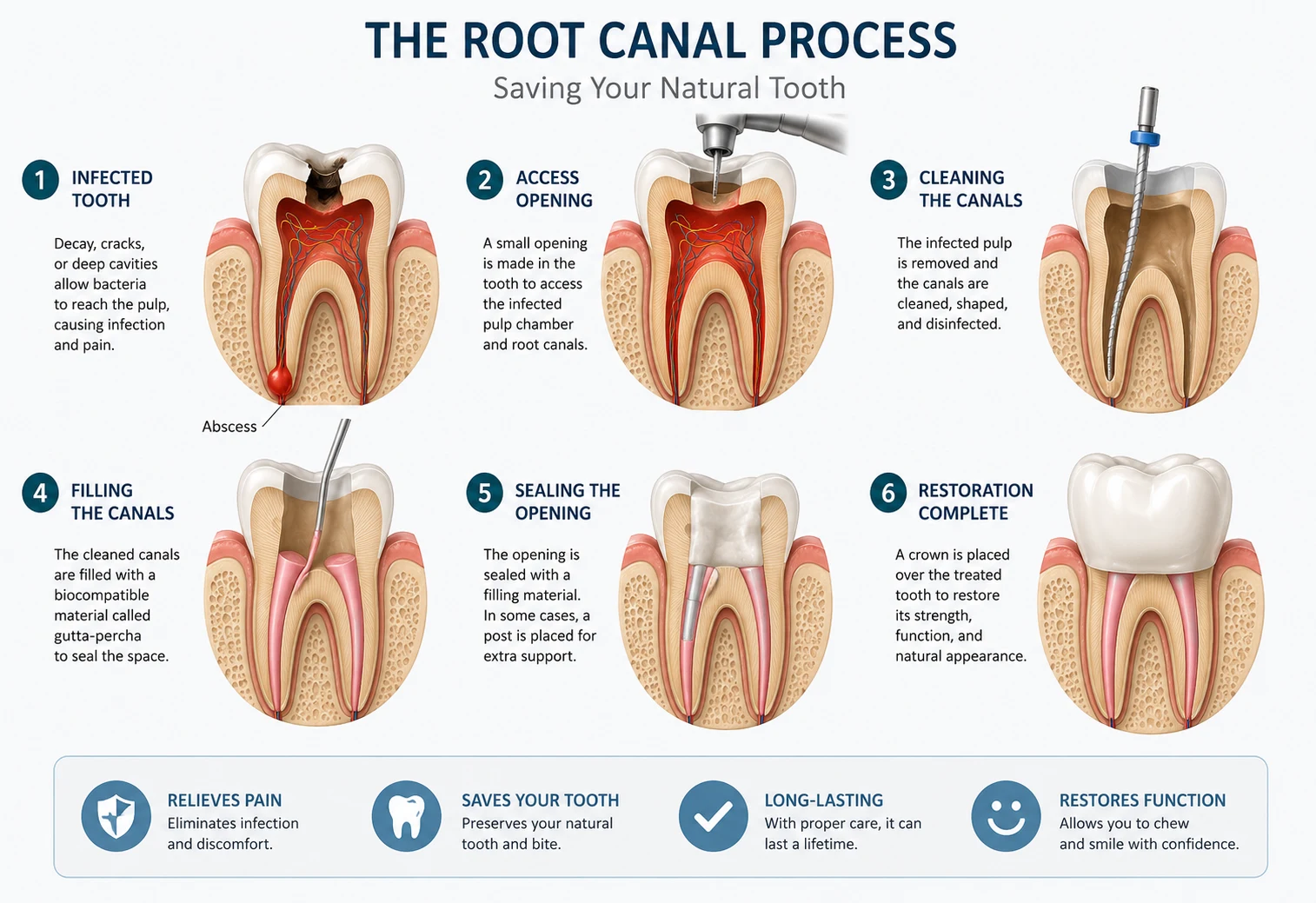
What is root canal therapy?
The pulp of a tooth contains nerves, blood vessels, and connective tissue, which help to nourish and maintain the health of the tooth. When the pulp becomes damaged or infected due to decay, injury, or trauma, it can cause significant pain, sensitivity, and swelling. In some cases, the infection can even spread to the surrounding teeth and gums, causing further complications.
Root canal therapy is a dental procedure that aims to remove the infected or damaged pulp from the tooth, clean and disinfect the root canals, and then fill and seal the space with a material called gutta-percha. The procedure is typically performed under local anesthesia, which ensures that the patient is comfortable throughout the treatment.
After the root canal procedure, the tooth may feel sensitive or tender for a few days, but this can usually be managed with over-the-counter pain relievers. In some cases, the dentist may recommend a dental crown or other restorative treatment to help strengthen the tooth and restore its function.
Overall, root canal therapy is an effective and safe treatment option for saving a damaged or infected tooth and preventing the need for extraction. It can help to alleviate pain and discomfort and restore the natural function of the tooth, allowing you to enjoy a healthy and beautiful smile.
What to expect during root canal treatment
Expect Anesthesia
Patients often express fear of pain during root canals, expecting to feel every step of the procedure. However, anesthesia will be provided by the dentist. Local anesthetic blocks pain signals between the nerves of the tooth and the brain. Although certain stimuli may still be felt, they should not be painful. In some cases, repeated administrations of local anesthetic may be necessary for teeth that are difficult to numb. It’s important to note that pain during a root canal may occur of the tooth is already infected. The pain may be a result of the infection and the actual root canal procedure.
Expect a Strange Barrier Device called a Rubber Dam
The rubber dam is a crucial part of the root canal procedure. It’s a square piece of rubber or non-latex material that the dentist places over the tooth that’s being treated. This barrier device keeps the working field sterile and dry, preventing any bacteria from contaminating the open tooth. It also protects the surrounding gum tissue, cheeks, lips, and tongue from the materials used in the root canal procedure. By using a rubber dam, the dentist can ensure a successful root canal treatment that lasts.
Expect Lots of X-rays
To ensure tools and materials are positioned correctly during a root canal procedure, the dentist will use multiple x-rays. Digital dental x-rays make this step quick and easy. Although some patients may worry about “lots of x-rays,” taking several x-rays from different angles is a normal and necessary part of the procedure. In fact, you might not even notice the x-rays being taken due to the speed and efficiency of digital technology.
Expect Minor Pressure and Scratching Sensations
Local anesthesia can effectively block pain signals, but it cannot block the feeling of pressure. During root canal treatments, patients can still experience movements, pressure, and scratching sensations. It may be difficult to differentiate between these sensations and what can be seen or heard during the procedure. However, you can always ask for more local anesthesia if you feel any pain, to ensure maximum comfort during the treatment.
Expect Moderate Pain after the Procedure
Root canal patients may experience moderate pain after the procedure due to the body’s natural response to inflammation caused by the trauma of dental treatment. Oral antibiotics may be necessary for those with large infections before the procedure, and post-operative pain is usually manageable with over-the-counter medication. In cases of severe pain we can prescribe pain relievers.
More Questions about Root Canals?
Contact our office today to schedule a consultation. We can answer any question you have about root canals and address any issues unique to your specific situation. We look forward to seeing you.
What are the symptoms or signs that a root canal is needed?
There are several symptoms and signs that indicate a root canal may be needed. These include:
- Persistent pain: If you experience persistent pain in your tooth, especially when you apply pressure or chew, it could indicate that you need a root canal.
- Sensitivity to hot and cold: If your tooth is sensitive to hot and cold temperatures even after the source of the temperature is removed, this could be a sign of root canal problems.
- Gum swelling: If the area around the affected tooth is swollen, it could indicate an infection that may require a root canal.
- Discoloration: A tooth that has darkened or changed color may be a sign that the nerve of the tooth is damaged and a root canal may be necessary.
- Pus drainage: If you notice pus around the affected tooth, this could indicate an abscess, which often requires a root canal.
If you experience any of these symptoms or signs, it’s important to schedule a consultation with our Fresno root canal dentist to determine if a root canal is necessary.

Why is root canal therapy necessary?
When the nerves inside the tooth pulp die, the tooth dentin and enamel can no longer receive organic nutrients and moisture. The inflamed tissue surrounding the tooth causes toothache and infection can damage the bones around the teeth. If the damaged pulp is not treated, bacterial infection and inflammation can loosen the tooth and it may have to be removed. Therefore, root canal therapy is necessary to preserve the tooth and also protect the jawbone.
ADDITIONAL FREQUENTLY ASKED QUESTIONS ABOUT ROOT CANAL TREATMENT
Is a root canal painful?
While root canals have a reputation for being painful, modern techniques and anesthesia make the procedure relatively painless. You may experience some discomfort after the procedure, but it can usually be managed with over-the-counter pain medication.
How long does a root canal take?
The length of a root canal procedure depends on the complexity of the case and how many teeth are being treated. Most root canals can be completed in one to two appointments.
Why do I need a root canal?
You may need a root canal if you have a deep cavity, a cracked tooth, or an injury that has damaged the pulp inside your tooth. If left untreated, this can lead to an abscess or even tooth loss.
Is it necessary to get a crown after a root canal?
In most cases, it is recommended to get a crown after a root canal to protect and strengthen the tooth. A crown can also improve the tooth’s appearance.
How long will a tooth that has had a root canal last?
A tooth that has had a root canal can last for many years with proper care.
Is there a dentist near me in Fresno that offers root canal treatment?
Yes. At our Fresno dental office we offer root canal treatment to patients from Fresno and the surrounding area. Contact our office today to schedule an appointment.

UNDERSTANDING TOOTH EXTRACTIONS: WHAT TO EXPECT
Periodontal disease is often the leading cause of tooth extraction, and if needed, there are several ways that we can go about the procedure. First and foremost, we will administer a numbing agent to the specific area to minimize any discomfort you may feel. Though you may experience slight pressure during the process, you can otherwise expect a comfortable and relaxed experience. If the tooth has matured and emerged from the gum line, our dentist at Smith Sedation Dentistry may use specialized dental instruments to gently wiggle the tooth and remove it from the socket. The area will then be thoroughly cleaned, and gauze will be applied to prevent bleeding during the recovery period. However, if the tooth is impacted or still beneath the gum line, such as with wisdom teeth, oral and maxillofacial surgery may be necessary. During this procedure, we will create an incision in the gums and gently lift the flap to access the impacted tooth. If needed, we may have to remove any bone or tissue that is covering the tooth. In some cases, we may need to break the tooth into smaller pieces for removal. Once the tooth has been successfully removed, we will clean the area thoroughly before placing the flap back down and suturing it in place. Following tooth extraction and bone grafting, a blood clot will form in the socket, and we will use gauze to control any bleeding.
POST-TOOTH EXTRACTION CARE: TIPS FOR A SPEEDY RECOVERY
At Smith Sedation Dentistry, we prioritize minimizing discomfort and reducing recovery time during tooth extractions. Following the procedure, most patients recover in our office for approximately an hour to ensure that bleeding has sufficiently subsided and any anesthesia has worn off. We advise patients to arrange for a ride home, and to rest and nap as needed once they are back home. During the first few days, drinking plenty of water is crucial, but extreme temperatures should be avoided to prevent sensitivity. Using a straw is not recommended, as it may cause bleeding at the surgical site. Recovery time varies depending on the procedure, but generally, swelling subsides after a few days. To manage swelling, we suggest taking ibuprofen and applying an ice pack for 15 minutes at a time. Soft, nutritious foods are recommended during recovery, and gradually increasing solid food consumption is advised. Oral hygiene is also critical, and brushing teeth while avoiding the surgical site, using mouthwash, and rinsing with water and baking soda are recommended to reduce the risk of infection. We may schedule a follow-up appointment to monitor your recovery progress.

Importance Of Replacing The Missing Tooth
The significance of replacing a missing tooth cannot be overstated. When a tooth is extracted, the resulting gap can cause neighboring teeth to shift out of place, resulting in misalignment, difficulties with chewing, or jaw-joint issues. Additionally, these misaligned teeth are more challenging to clean, increasing the risk of gum disease, tooth decay, or even further tooth loss. It is therefore crucial to fill the gap with a dental appliance such as a dental bridge, removable partial denture, or dental implant to prevent these issues from occurring.
ADDITIONAL FREQUENTLY ASKED QUESTIONS ABOUT TOOTH EXTRACTIONS
Does a tooth extraction hurt?
Most tooth extractions are performed under local anesthesia, so you should not feel any pain during the procedure. However, you may experience some discomfort and swelling after the extraction.
How long does a tooth extraction take?
The length of a tooth extraction procedure can vary depending on the complexity of the case. Simple extractions can take just a few minutes, while more complicated extractions may take up to an hour.
What is the recovery time after a tooth extraction?
The recovery time after a tooth extraction can vary depending on the individual case. In general, it can take a few days to a week to recover fully. During this time, you may experience some swelling, pain, and bleeding.
How do I care for the extraction site after the procedure?
To promote healing and prevent infection, it is essential to follow your dentist’s instructions for caring for the extraction site. This may include applying ice packs, avoiding hard or crunchy foods, and taking prescribed medication as directed.
Is there a dentist near me in Fresno that offers tooth extractions?
Yes. At our Fresno dental office we offer tooth extractions to patients from Fresno and the surrounding area. Contact our office today to schedule an appointment.
Helpful Related Links
- American Dental Association (ADA). Glossary of Dental Terms.
- American Academy of Cosmetic Dentistry® (AACD). Home Page.
- WebMD. WebMD’s Oral Care Guide.
Tooth colored dental fillings, also known as composite fillings, are a popular alternative to traditional metal amalgam fillings. Made of a mixture of resin and finely ground glass-like particles, these tooth-colored fillings offer a more natural appearance and can blend seamlessly with the surrounding teeth. Tooth colored fillings are often used to restore decayed, chipped, or cracked teeth, as well as to replace old metal fillings for aesthetic reasons. With their durable and long-lasting properties, tooth colored fillings have become a popular choice for many individuals seeking a discreet and effective way to restore their teeth.
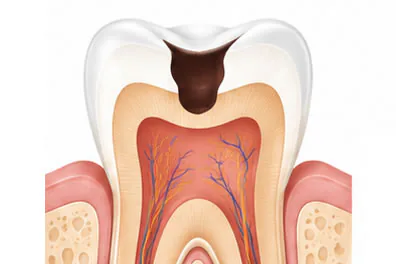
What is a cavity?
Cavities are a common dental issue that refers to the presence of holes in teeth, caused by decay. Typically, the surrounding area of the cavity will appear dark brown or gray. Bacteria in your mouth, found in plaque, are the main culprits of cavities. These bacteria interact with carbohydrates and sugars in your food, creating an acidic environment that dissolves the protective enamel on the outer layer of your tooth. Once the enamel is compromised, the softer dentin layer is exposed, leading to the formation of a cavity. If left untreated, the decay process will quickly progress and spread deeper into the tooth. It’s essential to maintain good oral hygiene, such as brushing and flossing regularly and avoiding sugary foods, to prevent cavities and other dental problems.
What are composite fillings?
Composite fillings are a popular choice for those seeking a dental restoration that blends seamlessly with their natural teeth. These fillings are made of a combination of plastic and glass particles, providing a durable and aesthetically pleasing solution. After the decay has been removed, a cleansing gel is applied, followed by a bonding solution and the composite material. To harden the composite, a high-intensity blue light is used, which only takes a few seconds. Once the filling is complete, the dentist will check to ensure the proper shape and appearance, making any necessary adjustments to achieve a natural-looking result. With composite fillings, you can enjoy a seamless restoration that matches the natural color of your teeth.
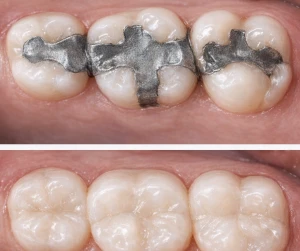
Composite Fillings vs Metal Amalagram
Tooth colored fillings, also known as composite fillings, offer several benefits over amalgam fillings:
Aesthetics: Tooth colored fillings are made of a tooth-colored resin material that can be matched to the natural color of your teeth, making them virtually invisible. In contrast, amalgam fillings are silver or gray in color, which can make them more noticeable, particularly in the front teeth.
Bonding: Tooth colored fillings bond directly to the tooth structure, creating a tight seal that helps to prevent further decay. In contrast, amalgam fillings do not bond as well to the tooth structure and require the removal of healthy tooth structure to hold them in place.
Preservation of Tooth Structure: Since tooth colored fillings bond directly to the tooth structure, less healthy tooth structure needs to be removed during the preparation process. This means that more of the natural tooth can be preserved, which is important for long-term dental health.
Durability: While amalgam fillings have been used for many years and are known for their durability, tooth colored fillings have also been shown to be durable and long-lasting. With proper care, composite fillings can last for many years.
Safety: There are concerns about the safety of amalgam fillings due to the presence of mercury. While the American Dental Association maintains that amalgam fillings are safe, some individuals prefer to use alternative materials, such as tooth colored fillings.
Ultimately, the choice between tooth colored fillings and amalgam fillings depends on the individual’s preferences, the location and extent of the decay or damage, and the dentist’s recommendation. We can help you choose the best option for your needs and preferences.

Replacing Metal Filling with Composite Fillings
If you’re considering replacing your amalgam fillings with composite fillings, it’s important to talk with our dentist about your options. While composite fillings offer several benefits over amalgam fillings, every individual’s situation is unique, and we can help you decide whether composite fillings are the right choice for you. With their aesthetic benefits, preservation of tooth structure, and bonding capabilities, composite fillings can provide a durable and natural-looking restoration for your teeth. Schedule a dental appointment today to discuss your options.
ADDITIONAL FREQUENTLY ASKED QUESTIONS ABOUT COMPOSITE FILLINGS
Are composite fillings safe?
Yes, composite fillings are safe and have been used by dentists for many years as a safe alternative to traditional amalgam fillings.
Do composite fillings require any special care?
Composite fillings don’t require any special care beyond regular brushing and flossing. However, it’s important to avoid biting down on hard objects or using your teeth as tools to prevent damage.
Do composite fillings look natural?
Yes, composite fillings are designed to blend in with the color of your natural teeth, making them virtually invisible.
Is there a dentist near me in Fresno that offers composite fillings?
Yes. At our Fresno dental office we offer composite fillings to patients from Fresno and the surrounding area. Contact our office today to schedule an appointment.
Helpful Related Links
- American Dental Association (ADA). Glossary of Dental Terms.
- American Academy of Cosmetic Dentistry® (AACD). Home Page.
- WebMD. WebMD’s Oral Care Guide.

WHY DO YOU NEED A DENTAL CROWN?
In the past, you may have had fillings to repair your teeth therefore you may wonder why you require an onlay or crown this time? Both of these options are an ideal way to restore teeth that have large, old restorations that can’t be repaired. Dental crowns also help to strengthen teeth after root canal therapy. These restorations are also recommended to restore a tooth that has been fractured or extensively damaged by decay in a way that a filling can’t fix.
Crowns are designed to adhere to your remaining tooth structure and cover your tooth like a cap. This allows it to encase the entire tooth, so you can eat, chew, brush, and floss with ease again.

WHY DO YOU NEED A DENTAL BRIDGE?
Missing teeth look unattractive, undermine your self-confidence, and make speaking and chewing uncomfortable. A bridge is a solution for replacing one or multiple missing teeth that are adjacent. It relies on adjacent teeth as anchors for one or more prosthetic teeth in the middle. These teeth support the bridge which will restore the lost function and aesthetics.
There are benefits when choosing a dental bridge such as:
• A bridge is a fixed, long-term solution that can be a better choice for some patients than an appliance that is removable.
• A bridge prevents teeth from drifting into the empty space
• A bridge is a great alternative when we can’t utilize a dental implant.
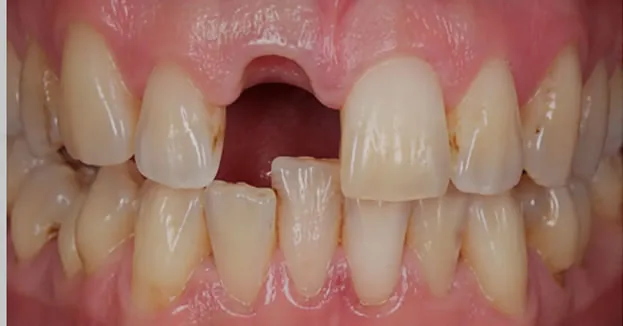
What Types of Dental Bridges Are Available?
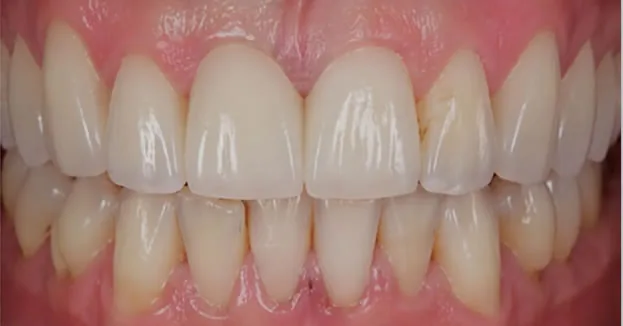
Dental crowns generally have a uniform structure, but the various types of dental bridges exhibit distinct variations in their structure. At present, four different types of dental bridges are available: traditional, cantilever, Maryland, and implant-supported. The traditional dental bridge is composed of two dental crowns utilized as anchors with a fake tooth or teeth placed in the middle, making it one of the most widely used types of dental bridges. Similarly, a cantilever bridge utilizes an anchor crown only on one adjacent tooth to the missing tooth. Due to the potential excessive strain on the anchor tooth, cantilever bridges are usually not recommended, although they may be necessary towards the back of the mouth. A Maryland dental bridge, like a traditional dental bridge, employs the same structure, but instead of dental crowns, it employs a metal framework attached to the backs of the two teeth on either side of the gap. Finally, an implant-supported dental bridge is identical in structure to a traditional bridge, but with dental implants serving as the anchor teeth.
What Types of Dental Crowns Are Available?
Although the structure of dental crowns remains consistent, the materials used to make them can vary significantly. Dental crowns are typically made from stainless steel, metal, porcelain fused to metal, all-resin, or all-ceramic/all-porcelain materials. Stainless steel crowns are commonly used in children on baby teeth or as temporary crowns, while metal crowns made from gold, platinum, or base metal alloys are a more common choice for permanent crowns. Porcelain fused to metal (PFM) crowns feature a metal base with a ceramic exterior, which provides both strength and a natural appearance. All-resin crowns are made from dental composite resin and can be color-matched to your teeth, while all-ceramic/all-porcelain crowns offer a stronger alternative to all-resin and can also be matched to the natural color of your teeth.
How Is a Dental Crown or Bridge Placed
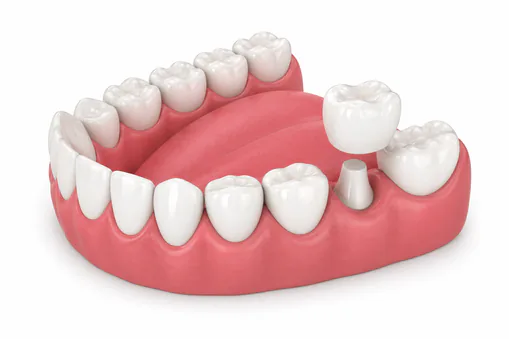
Placing a dental crown or bridge requires two appointments. During the initial appointment, dental impressions will be taken, and your tooth or teeth will be prepared. Dental impressions are critical in creating a mold of your mouth that will be sent to a dental laboratory. The dental laboratory will use this information to create a custom-made dental crown or bridge. Your tooth or teeth will also need to be prepared for the placement of a crown or bridge. To accomplish this, your mouth will first be numbed to ensure your comfort. The decayed tissue is then removed, and the remaining tissue is reshaped. This process will need to be repeated for each tooth that is receiving a dental crown. Once the tooth is shaped, a temporary crown or bridge will be installed to protect the teeth while the permanent restoration is being fabricated.
Upon completion of the permanent restoration, you will return to our office for a second appointment. During this second visit, the temporary crown or bridge will be removed, and your teeth will be cleaned before placing the permanent restoration.
ADDITIONAL FREQUENTLY ASKED QUESTIONS ABOUT DENTAL CROWNS AND BRIDGES
How long do dental crowns last?
The lifespan of dental crowns varies depending on the material used, proper care, and oral hygiene. Generally, dental crowns can last between 5 to 15 years or longer.
How long do dental bridges last?
With proper care, dental bridges can last up to 10 to 15 years or more, depending on the type of bridge, the materials used, and the patient’s oral hygiene habits.
How do I care for my dental crown or bridge?
To care for your dental crown, you should brush twice a day, floss daily, use an antibacterial mouthwash, and visit your dentist regularly for cleanings and check-ups.
Are dental crowns painful to get?
Getting a dental crown typically involves some mild discomfort, but your dentist will administer local anesthesia to numb the area and make the procedure as comfortable as possible.
Can anyone get a dental crown or bridge?
Not everyone is a candidate for a dental crown or bridge. Your dentist will evaluate your oral health and determine if a dental crown is the best treatment option for you.
Is there a dentist near me in Fresno that offers dental crowns and bridges?
Yes. At our Fresno dental office we offer dental crowns and bridges to patients from Fresno and the surrounding area. Contact our office today to schedule an appointment.
Dental implants have revolutionized the field of dentistry, offering a permanent and natural-looking solution to missing teeth. Unlike traditional dentures or bridges, dental implants are designed to look and feel just like natural teeth, providing patients with a comfortable and reliable solution to tooth loss. Whether you’ve lost teeth due to injury, decay, or other factors, dental implants can restore your smile, improve your oral health, and enhance your quality of life.
Dental implants are the best way to replace a missing tooth or multiple missing teeth
Missing teeth can cause a range of dental issues, from difficulty chewing and speaking to bone loss in the jaw and shifting of surrounding teeth. While there are several options available for replacing missing teeth, dental implants are widely considered to be the most effective solution.
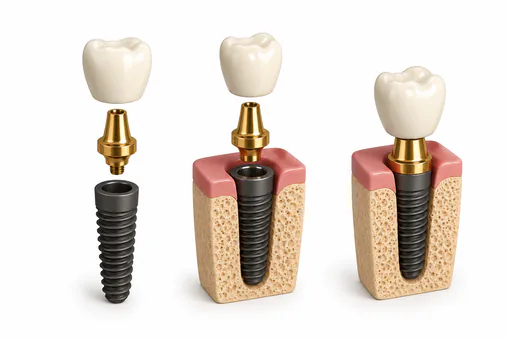
Dental implants are artificial tooth roots that are placed directly into the jawbone, providing a stable foundation for a replacement tooth or teeth. This procedure involves minor surgery, during which a small titanium post is placed into the jawbone to replace the natural tooth root. Once the post is in place, a natural-looking dental crown is attached to the top, completing the restoration of the missing tooth.
One of the main benefits of dental implants is their durability and longevity. Unlike other tooth replacement options, such as bridges or dentures, dental implants are designed to last a lifetime with proper care and maintenance. They also offer superior comfort and stability, as they are anchored directly into the jawbone, allowing for a more natural look and feel. Additionally, dental implants can help to preserve the jawbone by stimulating bone growth, which can prevent further bone loss and maintain the structure of the face.
Dental implants offer a permanent solution to missing teeth that can improve both the function and appearance of your smile.
Dental Implant Options
Single Dental Implants
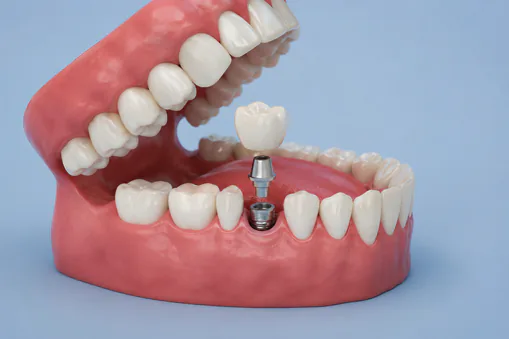
Single dental implants are an effective solution for replacing a single missing tooth. After the implant has integrated with the jawbone, a custom-made crown is attached to the post, creating a natural-looking and functional replacement tooth. Single dental implants not only restore the aesthetics of a missing tooth, but also improve the functionality of the mouth and prevent surrounding teeth from shifting.
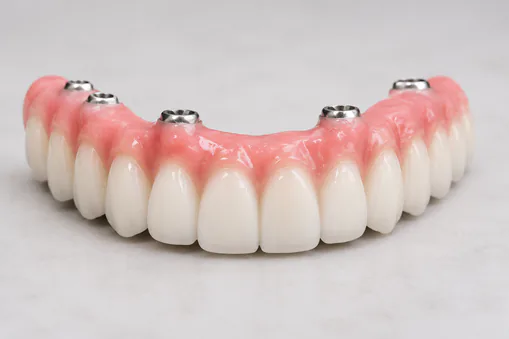
Implant Supported Dentures
Implant-supported dentures are a popular and effective solution for those who have lost most or all of their natural teeth. Unlike traditional dentures, which rely on suction or adhesives to stay in place, implant-supported dentures are anchored to dental implants, providing a stable and secure fit. This innovative dental treatment offers patients a range of benefits, including improved speech, enhanced comfort, and greater confidence when eating, smiling, and speaking.
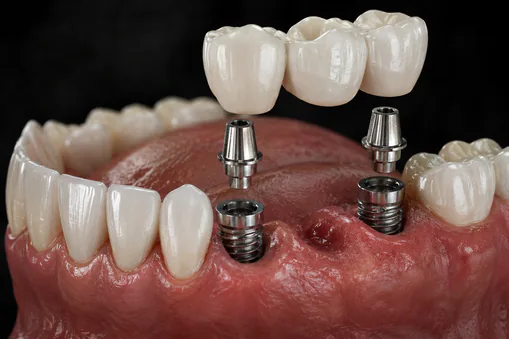
Implant Supported Bridge
Fixed dental bridges with dental implants offer an effective solution for replacing multiple missing teeth. This type of restoration uses dental implants as the foundation for a bridge of two or more artificial teeth, creating a stable and long-lasting solution for tooth loss.
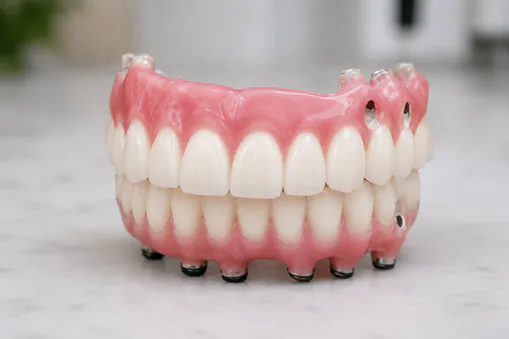
Full Mouth Dental Implants
Also known as full arch dental implants offer a comprehensive solution for patients who have lost most or all of their teeth. The procedure involves the placement of multiple dental implants throughout the entire upper or lower jaw, providing a sturdy foundation for a customized set of replacement teeth. Full mouth dental implants can dramatically improve oral function, enhance your appearance, and restore your self-confidence.
What Are The Benefits Of Dental Implants?
Improve Oral Health
- Preservation of natural teeth
- Reduced risk of gum disease
Enhanced Appearance
- Natural-looking and permanent solution
- Improved speech and comfort
Improved Bone Health
- Stimulation of natural bone growth
- Prevention of bone loss and deterioration
Improved Function and Convenience
- Restored ability to eat properly
- Elimination the need for dentures
Improved Overall Health
- Improved nutrition and digestion
- Reduced risk of health issues associated with missing teeth
Improved Speech
- Allows clear and confident speech
- No slipping or moving unlike dentures
Am I a good candidate for Dental Implants?
Good overall health: To ensure the success of dental implant surgery, it’s crucial that you are in good overall health. This means that you should not have any underlying health conditions that could interfere with the healing process, such as diabetes or heart disease.
Healthy gums and jawbone: Dental implants rely on a certain amount of healthy gum tissue and jawbone for success. If you have advanced gum disease or significant bone loss in your jaw, it may not be possible to support an implant properly, making you an unsuitable candidate.
A commitment to oral hygiene: Like your natural teeth, dental implants require regular care and maintenance to ensure longevity. If you are committed to practicing good oral hygiene and taking care of your implants, you may be a suitable candidate for the procedure.
The most effective way to determine if dental implants are right for you is to schedule a consultation with our experienced implant dentist in Fresno. During your consultation, we will assess your individual needs and provide you with personalized recommendations to help you restore your smile.

The Advantages of Implants Over Traditional Dentures
Dental implants have several advantages over traditional dentures. First and foremost, dental implants provide a permanent solution for tooth loss. Unlike dentures that may slip or cause discomfort, implants are anchored into the jawbone, providing stability and a natural feel. This means that patients can speak, eat, and smile with confidence, without worrying about their dentures shifting or falling out.
Another advantage of dental implants is that they help to preserve the jawbone. When a tooth is lost, the bone in the jaw can begin to deteriorate over time. Dental implants mimic the natural tooth root and stimulate the bone, promoting growth and preventing further deterioration. This can help to maintain the shape and structure of the face, ensuring that patients look and feel their best.
Lastly, dental implants are more durable than traditional dentures. With proper care and maintenance, implants can last a lifetime, while dentures may need to be replaced every few years. This means that dental implants are a long-term investment in a patient’s oral health and overall wellbeing. Overall, dental implants offer a permanent, stable, and durable solution for tooth loss, with numerous advantages over traditional dentures.
ADDITIONAL FREQUENTLY ASKED QUESTIONS ABOUT DENTAL IMPLANTS
Are dental implants painful?
Most patients report experiencing little to no pain during the dental implant procedure. Most patients say have a tooth pulled is the hardest part.
Can anyone get dental implants?
Not everyone is a suitable candidate for dental implants. Patients need to have healthy gums and adequate bone density to support the implant.
How long do dental implants last?
Dental implants are designed to be a long-term solution for tooth loss. With proper care and maintenance, they can last a lifetime.
Can dental implants be removed?
Dental implants can be removed, but it is not recommended unless absolutely necessary.
Does dental insurance cover dental implants?
Most dental insurance plans do not cover the cost of dental implants. However, some plans may cover a portion of the cost, depending on the plan and the individual’s circumstances.
Can smoking affect dental implants?
Absolutely, yes. Smoking can have a negative impact on dental implants’ success rate. Smoking can increase the risk of infection and hinder the healing process.
Can dental implants be done in a single day?
In some cases, dental implants can be completed in a single day. However we do not recommend this. Implants need to heal into the jaw bone with no pressure being applied. In most cases we do not complete the final restoration in one sitting.
Are there any alternatives to dental implants?
There are several alternatives to dental implants, including dentures and dental bridges. However, these options may not be as long-lasting or effective as dental implants.
What is the success rate of dental implants?
The success rate of dental implants is very high, with a success rate of over 95%. Factors that can affect the success rate include a patient’s overall health, the location of the implant, and the skill of the dental professional.
Is there an age limit for getting dental implants?
There is no age limit for dental implants. As long as a patient has healthy gums and sufficient bone density, they may be a suitable candidate for dental implants.
Is there a dentist near me in Fresno that offers dental implants?
Yes. At our Fresno dental office we offer dental implants to patients living in Fresno and the surrounding area. Contact our office today to schedule an appointment.